Originally published by The Clifton Courier, February 3, 2021
It’s funny how one person’s set of rules is different to another’s.
I know someone who washes his pants after every wash. And I’m not talking about the British interpretation of pants – which is what they say when they really mean “knickers” – but the long “leg prisons” that society demands people wear in public. You know, trousers.
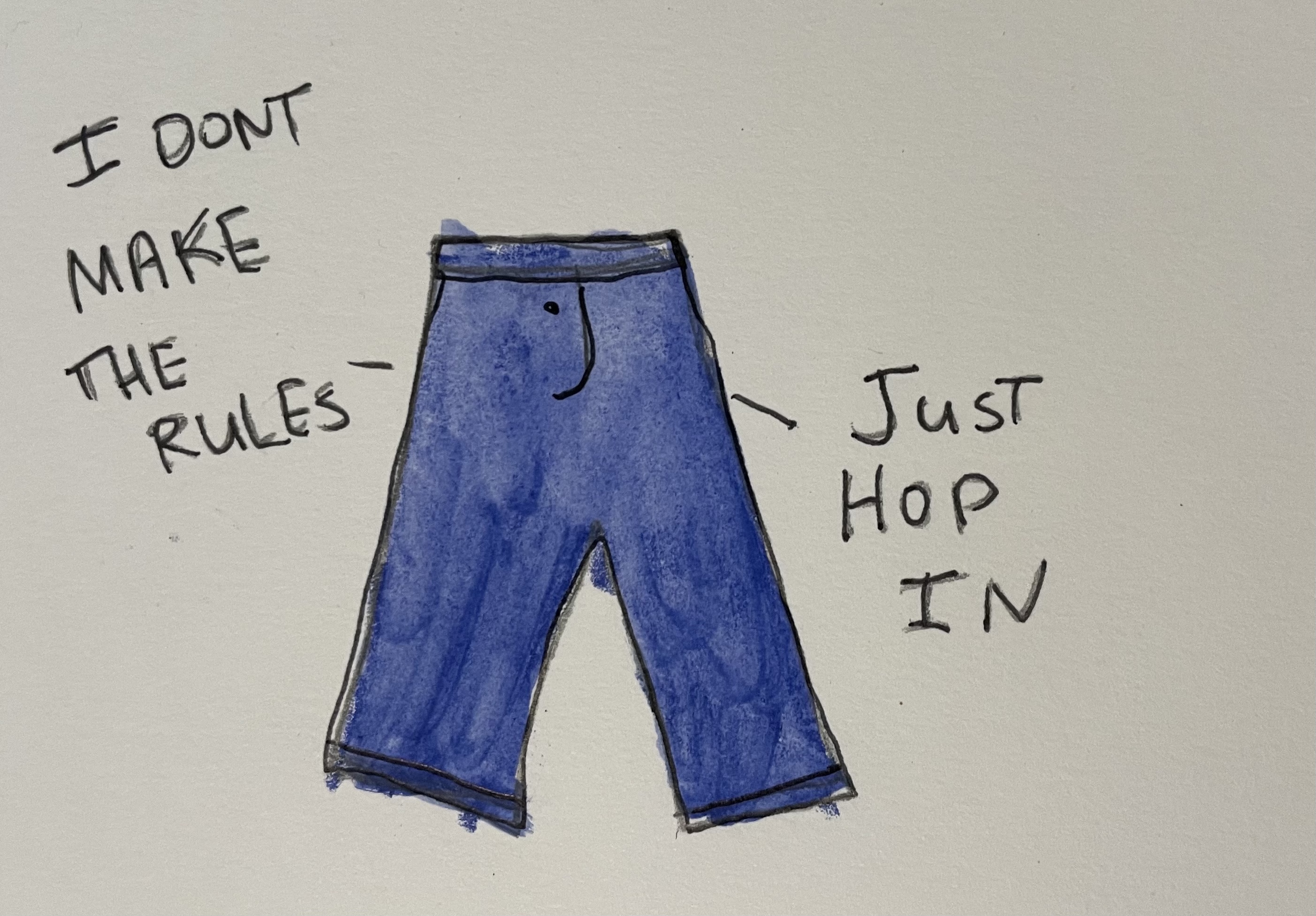
Now, I’m in no way attempting to berate him or rubbish his clearly incorrect position on pant washing but, to me, that seems excessive and equates to an unnecessary use of resources.
This person works in an office environment most of the time. He doesn’t come home with the mystery liquids splattered on his clothing that, say, a nurse or a plumber would. He doesn’t sit on the ground. As far as I know, he doesn’t use his butt to touch high-traffic surfaces like elevator buttons and door handles.
When I brought this up, his reasoning was this: he believes that pants are in greater need of being washed every day based on pure anatomical geography. The pants cover the parts from which things excrete – be they solid, liquid or gas excretions. As such, there are particles that are embedded in the fibres that make said pants dirty.
And, look, it’s sound logic.
My view, however, is a little bit different.
I don’t wash my pants after each use. If there’s no visible dirt, grime or gravy stains, I pop them back in the wardrobe to see another day. This not only saves me from overloading the washing machine – and cuts back on water and detergent usage – but also means less time drying in the sun, which equates to less fading, thus increasing the lifespan of said pants.
But I will, more often than not, wash my shirts after each wear. It’s just something I’ve always done without really overthinking it too much. But when I drill down to why the tops are washed more often than the bottom, I think it comes down to the armpit.
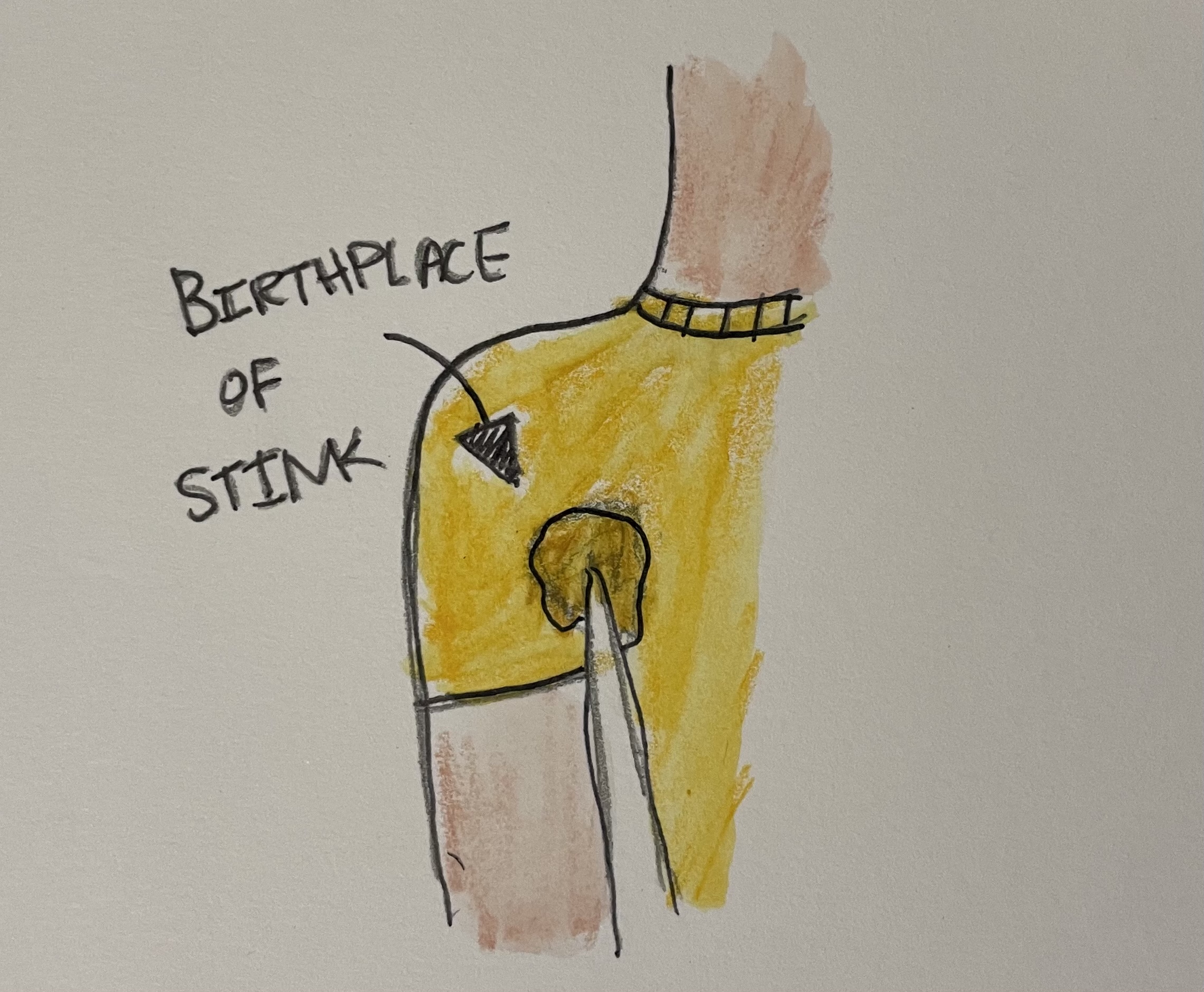
Shirts have un-buffered proximity to the armpit, which gently emits a stench as the day goes on. With nothing between this source of stench and the skin, the smell is transferred directly into the fabric, infusing with each individual thread. As such, it must be washed after use.
I explained this to my daily-pant-washing acquaintance who retorted “what is between your legs but one big armpit?!”
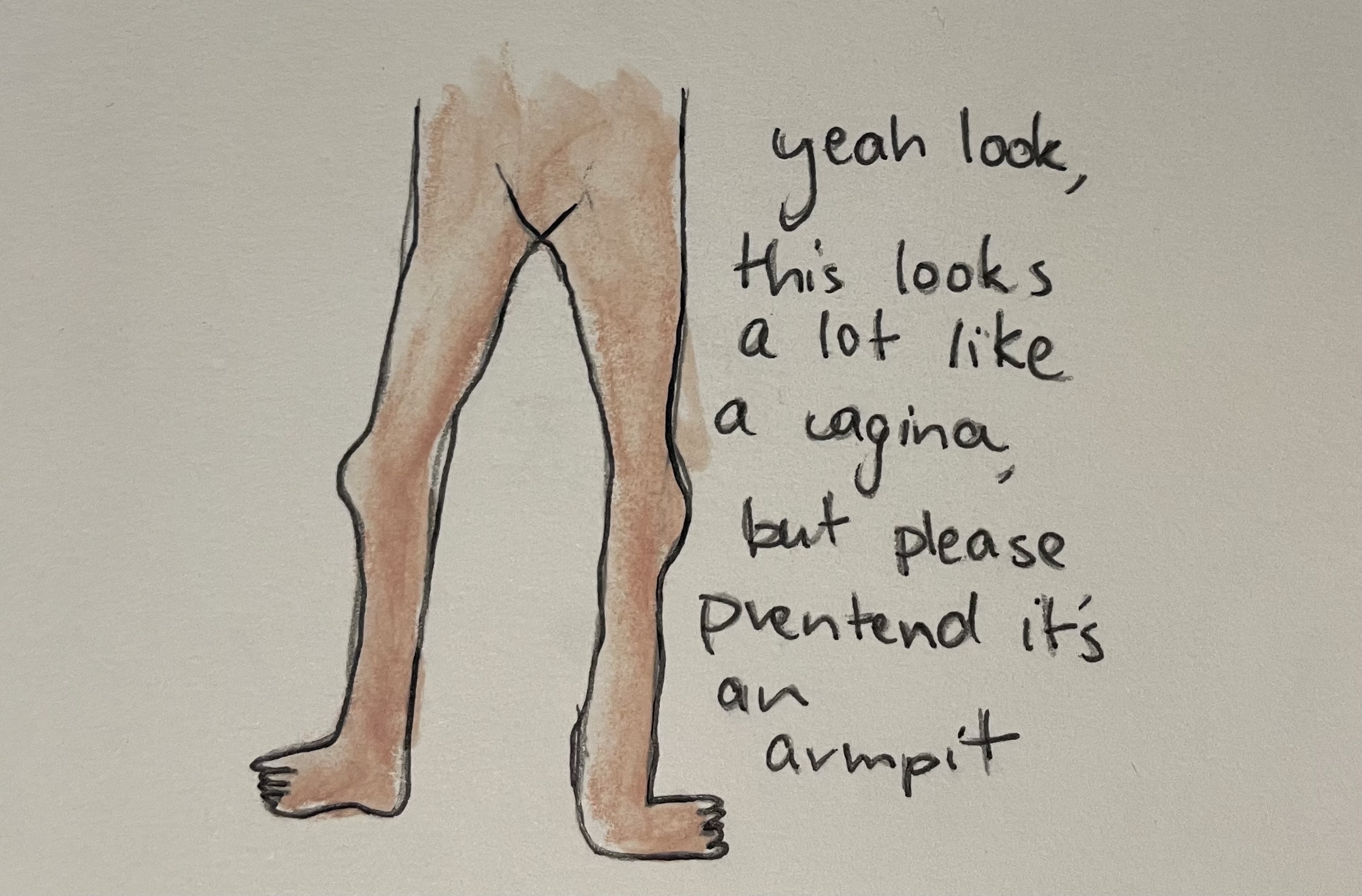
I mean, once you get past the obscene imagery that statement evokes, you do have to admit that he has a point.
The bottom region is where the majority of concentrated bodily odours are born. And, unlike the gradual release of pong you see in the armpit, the nether regions tend to be more… explosive.
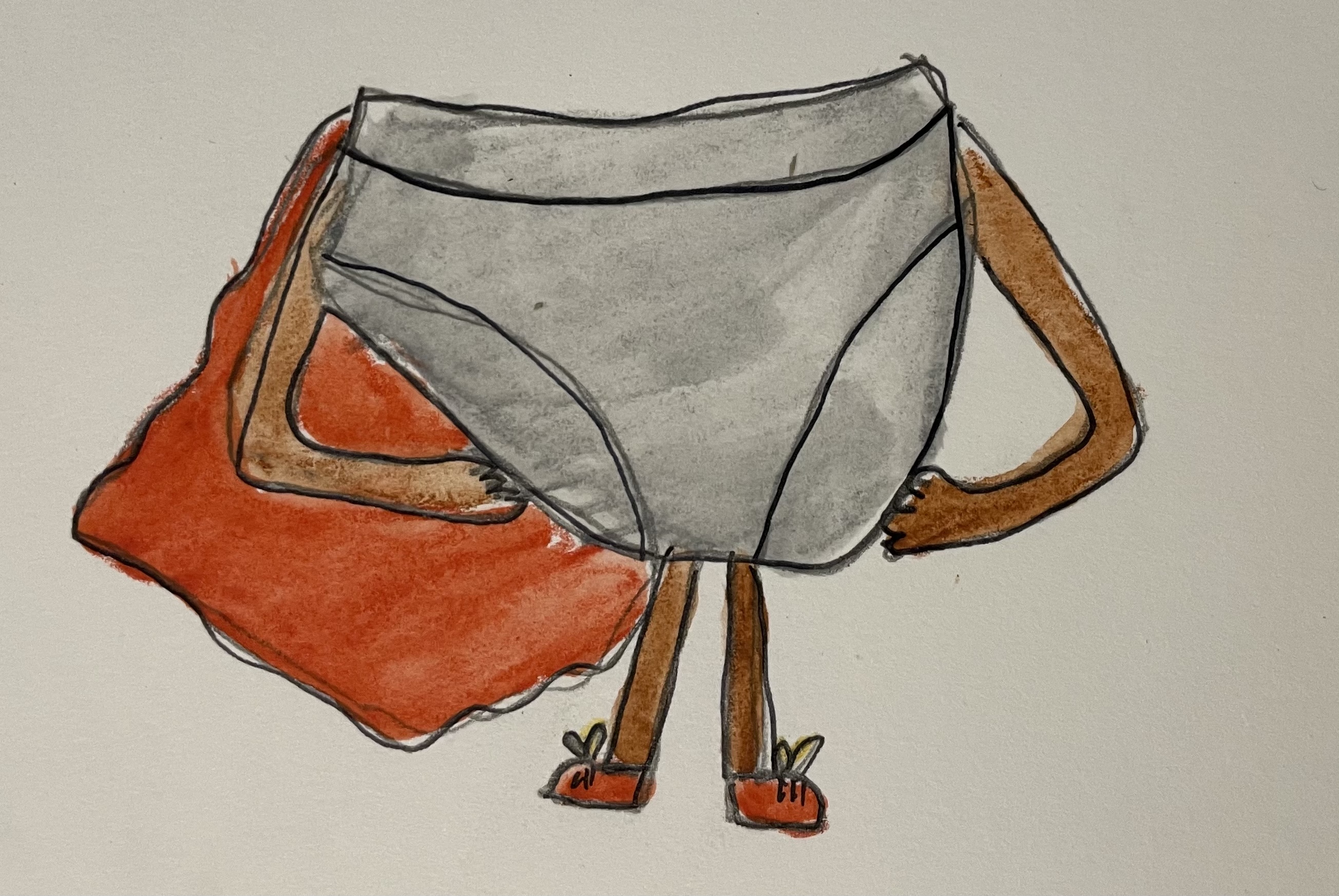
But the pants have a layer of protection between the orifices from which stink is expelled and themselves – that’s where the knickers come in. They act as a buffer, heroically sacrificing themselves to shield the pants from the stink. It’s all quite heroic, really.
And, look, if you’re using your toilet paper correctly, no solid or liquid sources of said smells should be able to come into contact with the knickers, let alone the pants over the top.
My daily-pant-washing comrade also says that you shouldn’t have different rules for laundry and perhaps that’s where we differ the most.
Because we’re not just talking about the washing here, not anymore.
I happen to think that, rather than applying a blanket ruling to everything – laundry-related and otherwise – one must consider the nuances that apply to each individual situation. Because not every situation is the same, each situation should be taken on a case-by-case basis. And, yes, you can have a generalised rule that you use as a guideline, but you can and should veer from that if the situation calls for it. And when you do this, you end up making better decisions for each individual situation.
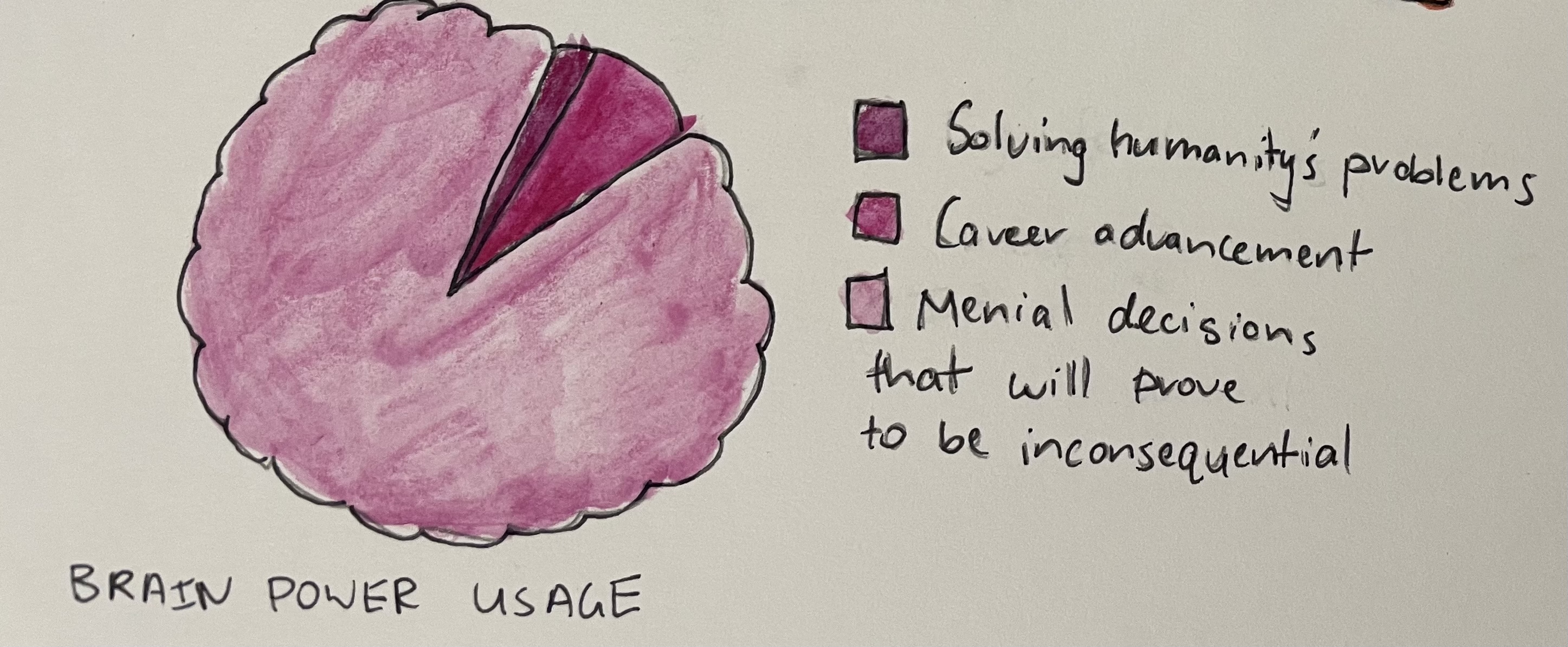
Although, it must be said, you do end up spending a lot of your brain capacity deciding whether or not to chuck a pair of pants into the washing machine. You could argue that this is too much thinking to dedicate to a simple load of washing. And, look, that’s a fair point.
 Just a Thought